


Cultural mismatch in caregiving often turns what should be comforting support into a source of stress and confusion. When families and caregivers don’t share language or customs, anxiety and misunderstandings can quickly build. In this post, you’ll see how these gaps create emotional strain—and learn simple ways to find care that truly fits your family’s culture and needs. For more insights, you can refer to this study.
Understanding Cultural Mismatch in Caregiving
Cultural differences can transform caregiving from a nurturing experience into a challenging ordeal. Let's explore how these mismatches affect family dynamics.
Emotional Strain from Misaligned Expectations
When expectations don’t match, emotional strain skyrockets. You might expect a caregiver to understand certain customs, but without shared cultural knowledge, disconnects happen. Imagine expecting a caregiver to show affection through specific gestures, only to find they don’t understand this practice. This gap can lead to disappointment and frustration, making it hard to feel supported.
Misunderstandings in caregiving can cause emotional turmoil. A caregiver might assume a practice is universal, while families might feel a personal connection is lacking. Such gaps can make care feel impersonal, increasing stress for everyone involved. Recognizing these differences early can help manage emotional expectations, reducing potential strain.
Common Miscommunication Issues
Language barriers are a prime source of miscommunication. You might tell a caregiver something important, but if they misunderstand due to language differences, mistakes occur. For instance, explaining a dietary restriction to a caregiver who doesn’t speak the same language can lead to serious errors, affecting well-being.
Nonverbal cues can also be misinterpreted. In some cultures, direct eye contact is respectful, while in others, it might be seen as confrontational. A caregiver might unknowingly offend or confuse you, leading to tension. Understanding cultural nonverbal signals can help bridge this gap, fostering smoother interactions.
Anxiety and Guilt in Care Dynamics
When communication falters, anxiety creeps in. You might worry if instructions are understood, leading to second-guessing and stress. This anxiety can spill over to caregivers, making them hesitant and unsure. It can create a cycle where both parties feel uneasy, impacting the quality of care.
Guilt is another emotional pitfall. Families might feel guilty for not finding a caregiver who seamlessly fits their cultural needs. Caregivers might struggle with guilt if they feel unable to meet expectations. Building awareness of these emotional dynamics can help alleviate guilt and foster a more supportive environment.
Building Bridges Through Cultural Alignment
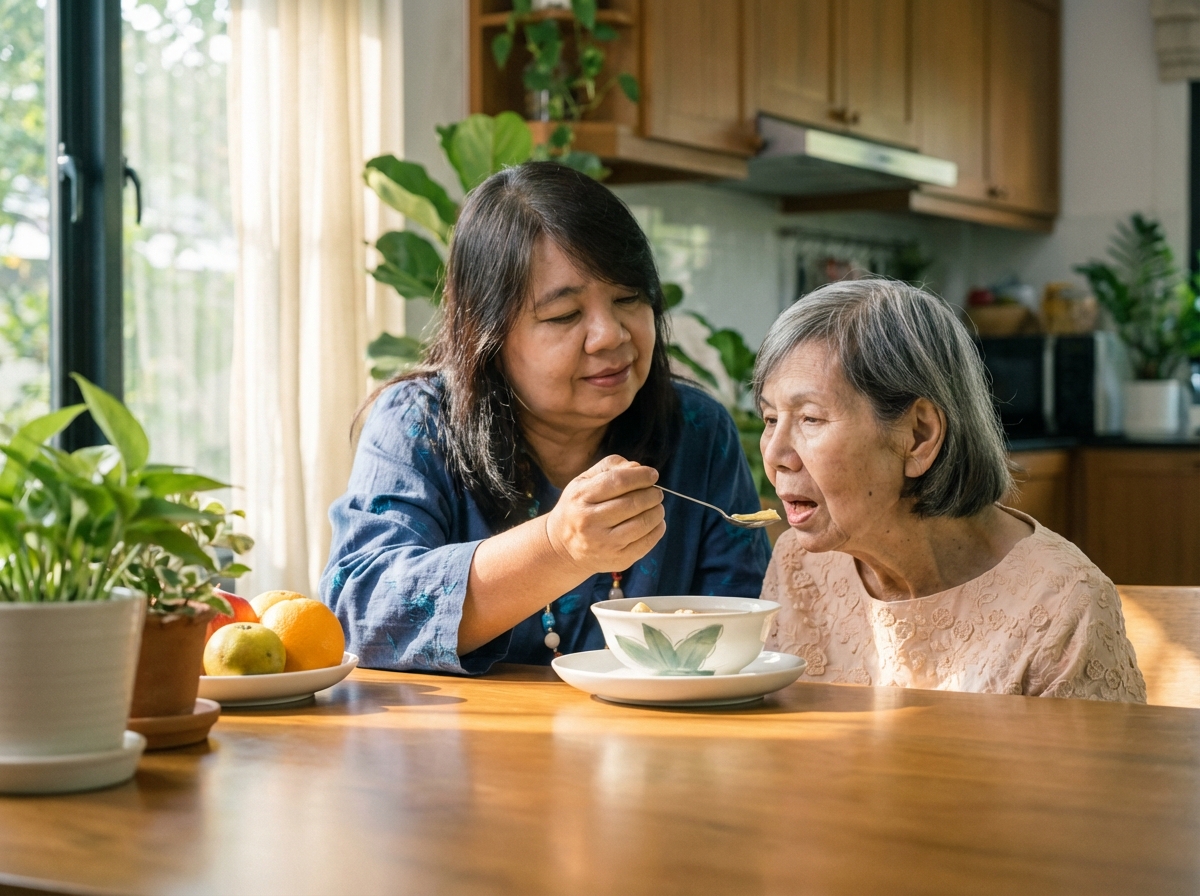
Finding common ground is crucial for effective caregiving. Aligning culturally can transform care from stressful to seamless, benefiting both families and caregivers.
Importance of In-Language Care
In-language care is vital for effective communication. When a caregiver speaks your language, it’s easier to convey needs and preferences. You avoid misunderstandings, leading to better care. A Chinese-speaking nanny, for example, can discuss specific cultural practices and dietary needs without language barriers, ensuring a more personalized approach.
Language isn’t just about words; it’s about understanding. A caregiver who speaks your language can share in your cultural nuances, making care feel more personal and connected. This connection reduces stress, fostering a sense of trust and comfort.
Enhancing Caregiver-Family Communication
Communication is the bedrock of effective caregiving. Enhancing this through shared language and cultural understanding can transform your caregiving experience. Regular check-ins where caregivers can ask questions and families can provide feedback strengthen the caregiving relationship.
Sharing cultural contexts and expectations openly can also help. Explain why certain practices are important to you, and encourage caregivers to share their perspectives. This mutual understanding can prevent miscommunication and foster a more harmonious relationship.
Benefits of Cultural Alignment in Childcare
Cultural alignment in childcare offers numerous benefits. Children thrive when caregivers understand their cultural background. A caregiver who respects and incorporates cultural practices can provide a sense of continuity and security for the child.
Moreover, cultural alignment supports emotional and mental development. Children learn to appreciate their heritage when caregivers engage in culturally relevant activities and communication. This alignment not only benefits the child but also provides peace of mind for parents, knowing their cultural values are respected and upheld.
Practical Solutions for Aligned Caregiving
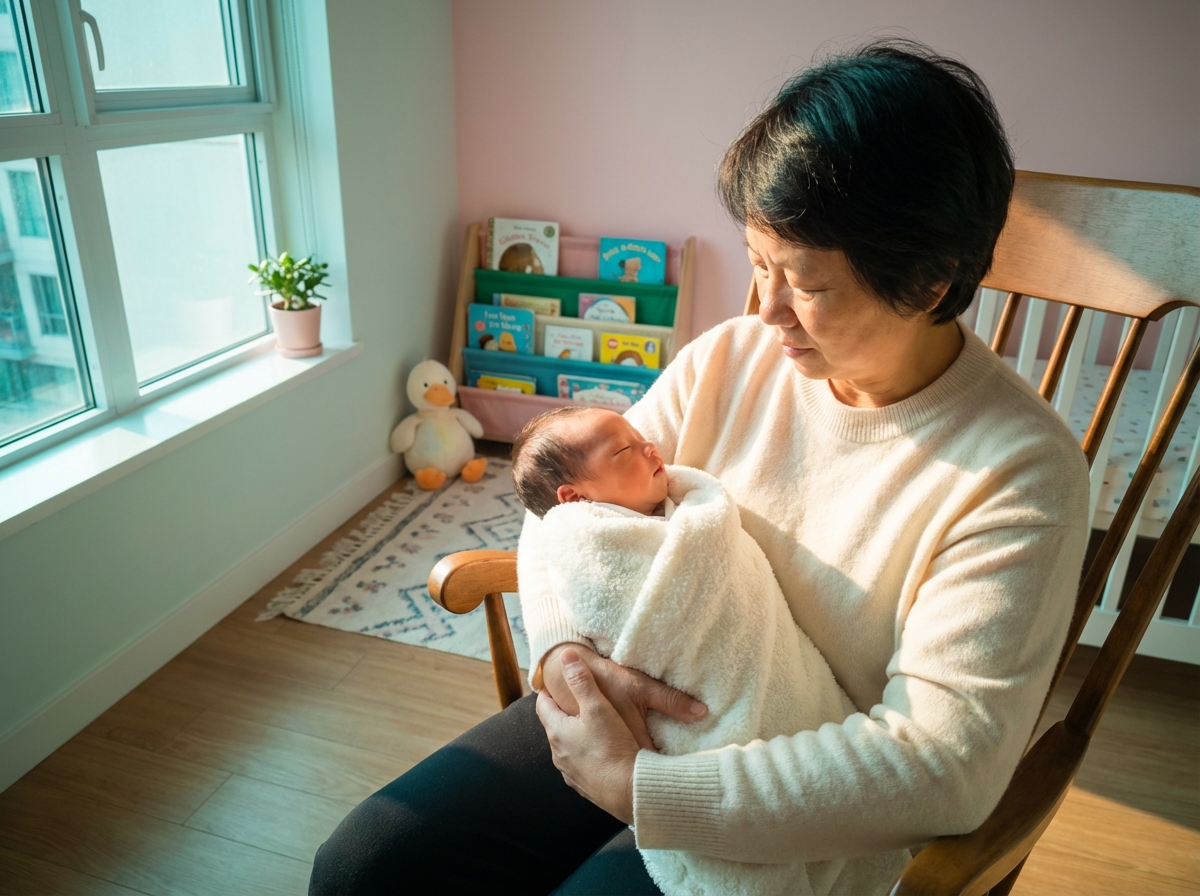
Finding the right caregiver involves more than just matching schedules; it’s about matching cultures and languages.
Finding a Multilingual Caregiver
The search for a multilingual caregiver can be daunting, but it's worth the effort. Start by identifying your language needs and cultural preferences. Platforms like AyiConnect specialize in connecting families with caregivers who speak your language and understand your culture.
Consider what specific qualities are important in a caregiver for your family. Do they need to speak Vietnamese or understand certain cultural traditions? Being clear about these needs from the start can help streamline your search and ensure a better match.
AyiConnect's Concierge Matching Services
AyiConnect provides a unique service tailored to your cultural and linguistic needs. Our Concierge Matching Services focus on understanding your specific requirements and connecting you with trusted caregivers. This personalized approach ensures that you find a caregiver who is not only skilled but also culturally aligned.
Our process involves careful screening and matching, ensuring that you have access to caregivers who meet your criteria. With AyiConnect, you’re not just finding a caregiver; you’re finding a trusted partner in care. Learn more about our services.
Ensuring Background Checked and ID-Verified Caregivers
Safety is paramount when selecting a caregiver. Ensuring that your caregiver is background checked and ID-verified provides peace of mind. At AyiConnect, we prioritize the safety and security of both families and caregivers. All caregivers undergo thorough checks to confirm their identity and qualifications.
This process not only protects families but also empowers caregivers by establishing a trustworthy reputation. Knowing your caregiver is verified and background checked adds an extra layer of security, allowing you to focus on building a nurturing caregiving relationship.
Finding the right caregiver who understands your cultural and linguistic needs can transform your caregiving experience. By focusing on cultural alignment, you can reduce stress and create a more supportive and effective care environment. Remember, the key to successful caregiving lies in communication and mutual understanding.
Start safeguarding your family by connecting with verified caregivers today

